
Tutto sul tè verde
Capire il tè verde giapponese
Produzione di tè verde in Giappone
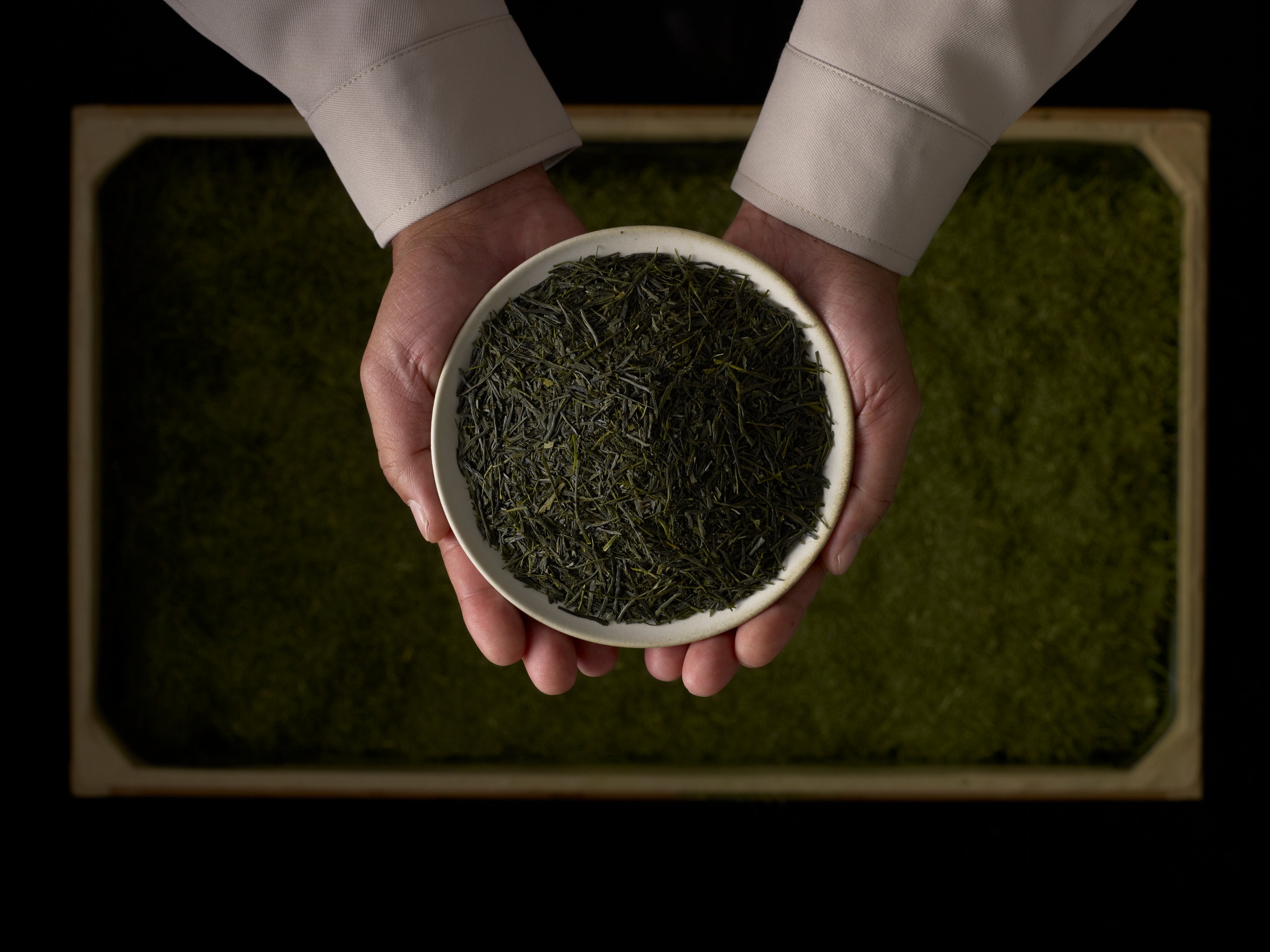
Il tè verde giapponese viene prodotto attraverso un processo preciso e antico. Dopo la raccolta, le foglie vengono rapidamente cotte a vapore per preservarne freschezza, colore e sapore. Vengono poi arrotolati ed essiccati con cura, creando aromi e profili di gusto distintivi che riflettono la dedizione del Giappone alla qualità e alla tradizione.
Principali componenti e benefici per la salute del tè verde giapponese
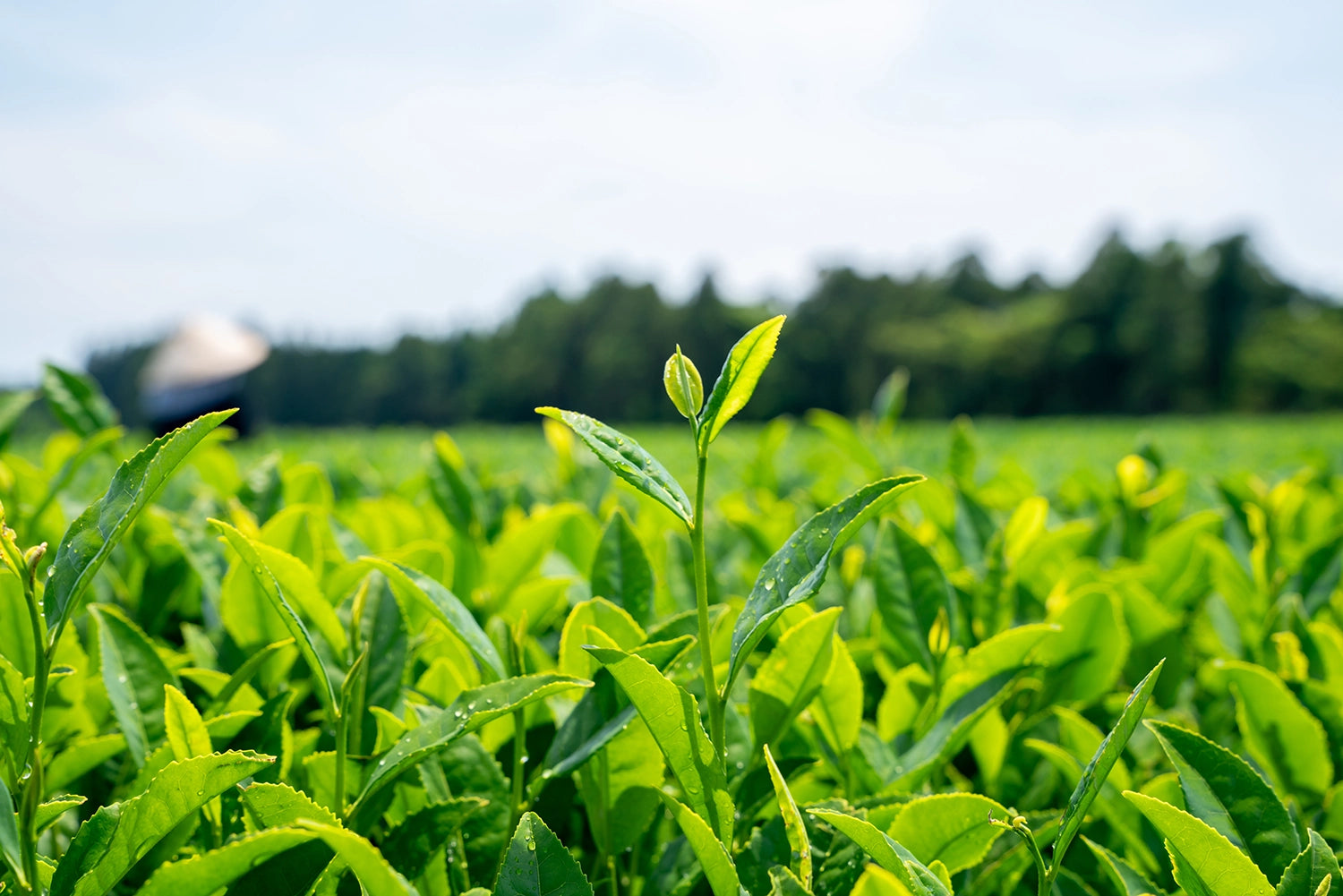
Il tè verde comprende anche un gran numero di componenti che si ritiene siano benefici per la salute umana. Questi componenti hanno una vasta gamma di effetti.
TIPO DI TÈ VERDE GIAPPONESE
Quasi tutto il tè coltivato in Giappone è tè verde. Viene prodotta un'ampia varietà di tè verde, differenziata in base a fattori quali metodi di coltivazione, tempi di raccolta delle foglie e metodi di lavorazione.
Sencha
Il Sencha è la varietà di tè verde più bevuta e conosciuta. Viene prodotto secondo i metodi di lavorazione più comuni, secondo i quali le foglie vengono cotte a vapore e arrotolate per produrre il tè grezzo.
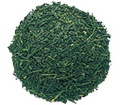
Fukamushi Sencha
Il Fukamushi Sencha è un tipo di tè verde che viene cotto a vapore per circa il doppio del tempo rispetto al Sencha normale. Il processo di cottura a vapore prolungato si traduce in foglie più fini, un colore verde più scuro e un gusto più ricco e meno astringente.
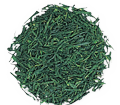
Gyokuro
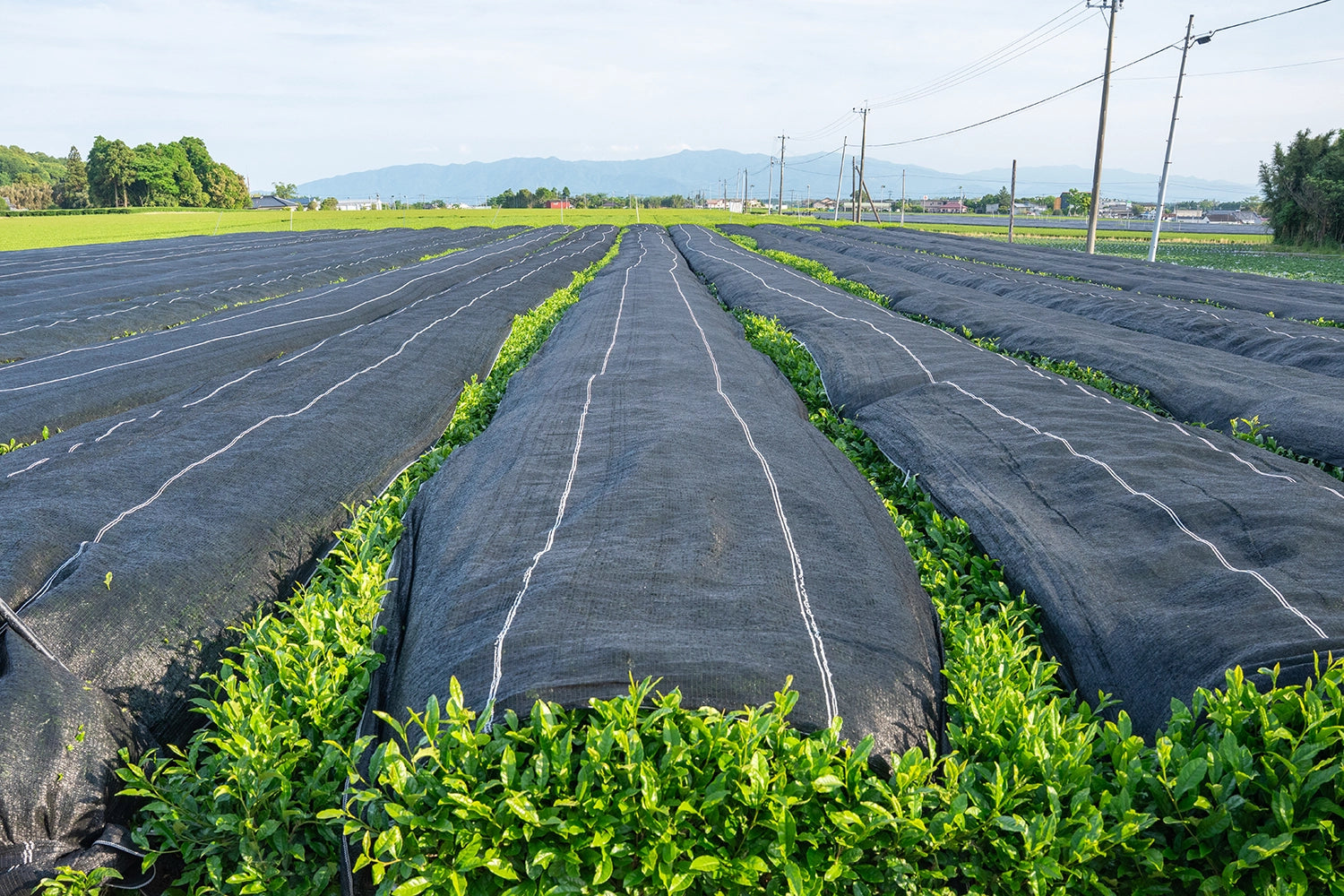
Gyokuro è un tè verde premium ottenuto da foglie coltivate all'ombra per circa 20 giorni prima del raccolto. Questo metodo di coltivazione riduce l'amarezza e produce un sapore ricco, umami con un caratteristico aroma simile alle alghe.
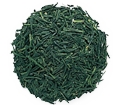
Kabusecha
Il Kabusecha è un tè verde ombreggiato che viene coperto per circa una settimana prima della raccolta. Rispetto al Sencha, ha un colore verde più intenso, un'astringenza inferiore e un gusto più pieno e morbido.
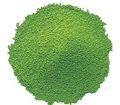
Matcha
Il Matcha è una polvere di tè verde finemente macinata ottenuta da foglie di Tencha macinate a pietra. A differenza di altri tè, viene consumata l'intera foglia, ottenendo un sapore intenso e un elevato apporto di nutrienti.
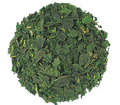
Tencha
Il Tencha è un tè verde sfumato utilizzato principalmente come materia prima per il Matcha. Dopo la cottura a vapore, le foglie vengono essiccate senza arrotolarle, creando scaglie piatte dal gusto delicato e raffinato.
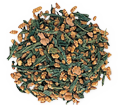
Genmaicha
Genmaicha è una miscela di tè verde e riso integrale tostato. L'aggiunta di riso conferisce al tè un aroma di nocciola e riduce il contenuto di caffeina, rendendolo facile da bere.
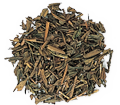
Hojicha
L'Hojicha è un tè verde tostato ad alte temperature, che gli conferisce un aroma caldo e tostato. Il processo di tostatura riduce l'amarezza e la caffeina, donando un sapore leggero e morbido.
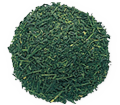
Ichibancha/Nibancha/Sanbancha
Questi termini si riferiscono ai raccolti di tè verde durante tutto l'anno, di cui Ichibancha è il primo e il più apprezzato raccolto. I raccolti successivi, come Nibancha e Sanbancha, sono generalmente più miti e meno aromatici.
How to Prepare the PerfectCup of Japanese Green Tea
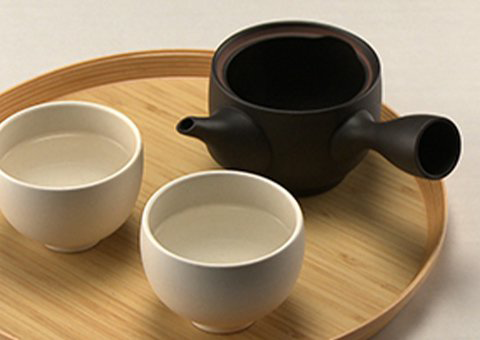
1. Pouring the boiled water into a cup. Temperature will fall 10 degrees after being into a cup.
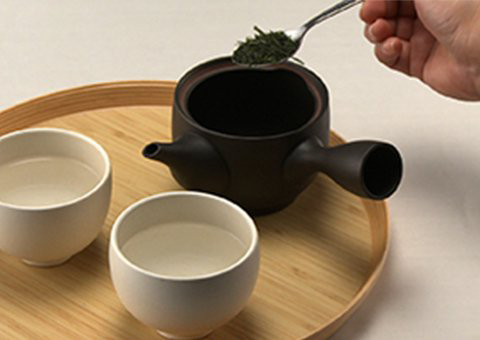
2. Put tea leaves and hot water in a teapot and wait for the appropriate time.
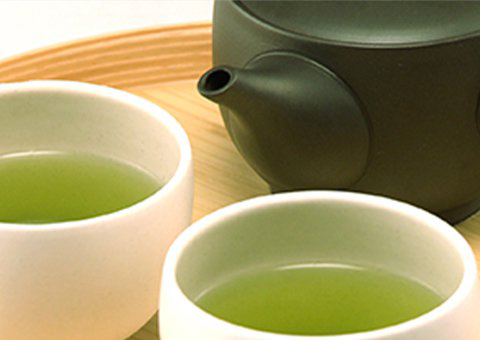
3. Pour every last drop of tea into each cup to ensure an even amount and taste.
| Type of tea | Amount of tea leaves | Water temperature | Amount of water (for 2 person) |
Infusion time | The second brew |
|---|---|---|---|---|---|
| Sencha(standard) | 4.0g | 80 - 90°C | 200ml | Approx. 30 seconds | For the second pot, water temperature should be slightly increased and infusion time shorter. |
| Sencha(high grade) | 4.0g | 80°C | 200ml | Approx. 30 seconds | |
| Gyokuro(standard) | 6.0g | 50°C | 100ml | Approx. 120 seconds | |
| Shincha | 4.0g | 70 - 80°C | 150ml - 200ml | Approx. 40 seconds | |
| Bancha | 4.0g | 95°C | 200ml | Approx. 30 seconds | Boiling water for the second pot also. |
| Hojicha | 4.0g | 95°C | 200ml | Approx. 30 seconds |
Sencha (standard)
For the second pot, water temperature should be slightly increased and infusion time shorter.
Sencha (high grade)
For the second pot, water temperature should be slightly increased and infusion time shorter.
Gyokuro (standard)
For the second pot, water temperature should be slightly increased and infusion time shorter.
Shincha
For the second pot, water temperature should be slightly increased and infusion time shorter.
Bancha
Boiling water for the second pot also.
Hojicha
Boiling water for the second pot also.
Tea Utensils for Everyday Use
There is a great variety of tea utensils used in Japan, depending on the occasion, type of tea drunk, region and individual preferences. The tea utensils - Chaki in Japanese - used for formal tea ceremony (Cha-no-yu) are distinct from those used everyday at home. Below is a basic introduction to the most common types of utensils used for tea making and drinking as part of daily life.
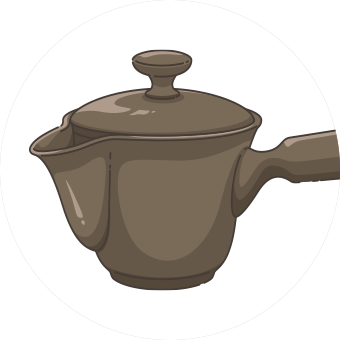
Teapot (Kyusu)
The teapot is the most important utensil for preparing green tea, as the right size and shape enhance the tea’s flavor and aroma. It is recommended to preheat the teapot with hot water before use. Smaller Kyusu are used for high-grade teas like Gyokuro, while larger ones are suitable for everyday teas such as Hojicha or Genmaicha.

Tea Cups (Chawan)
Different tea cups are used depending on the type and quality of tea. High-grade teas like Gyokuro are served in very small cups, while Sencha cups are typically shallow. Cups with a white interior are preferred, as they allow the color of the tea to be appreciated.
Tea Caddy (Chazutsu)
A tea caddy is essential for protecting tea leaves from moisture and oxygen. Japanese tea caddies usually have an inner and outer lid to ensure airtight storage. For everyday use, they are commonly made of metal such as tin-plated steel.
Tea Scoop (Chasaji)
The tea scoop is used to measure tea leaves when transferring them from the tea caddy to the teapot. It is typically made of wood, bamboo, or metal. One scoop usually equals about one teaspoon, or roughly 3 grams of tea.
Tea Cup Saucers (Chataku)
Tea cup saucers are sometimes placed under cups when serving tea to guests. They add a sense of formality and care to the presentation. Wooden lacquered saucers are commonly used.
Important Principles for Preparing Delicious Green Tea
Tea leaves are placed in a teapot, hot water is added to the tea leaves and left to infuse for a certain amount of time. Of course, preparation will vary according to such factors as local customs, personal tastes, occasion, time of day or season. Below is a number of key points to help you prepare delicious green tea and an explanation of various standard methods of preparation. When preparing tea, the type of water used, water temperature, time the tea is left to infuse and the amount of tea leaves used are some of the main points in determining the flavor and aroma of the tea. To prepare the "perfect"cup of tea, it is best to choose a preparation method that suits the particular characteristics of the tea being prepared.
Choosing the right water
Generally, the best type of water to use in making green tea is soft water (low in calcium and other minerals) that is very slightly acidic. If using tap water, it is best to boil it first to remove any chlorine odor. If using bottled mineral water, hard water (high in calcium or magnesium) should be avoided.
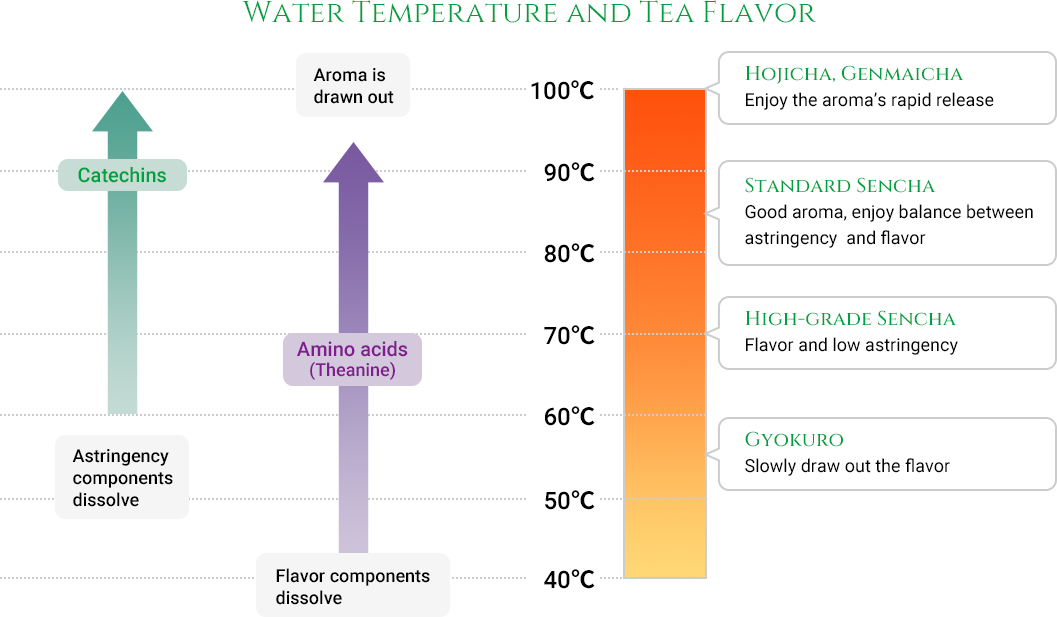
Relationship between water temperature and flavor and aroma
Water temperature plays an important part in determining the taste and aroma of tea, and different types of tea require different water temperatures. This is because different components of tea dissolve at different temperatures. The astringency components (catechins) will be drawn out at temperatures over 80 degrees C, while the flavor components (amino acids [theanine]) require a lower temperature of around 50 degrees C to dissolve. For this reason, if one wishes to drink Sencha that is not very astringent, a temperature of around 70 degrees C is recommended, while for Gyokuro, a lower temperature is recommended to draw out the flavor more slowly. On the other hand, for teas such as Hojicha and Genmaicha, which have unique aromas, boiling water or water close to 100 degrees C should be used. For people who prefer astringent Sencha, water should be over 80 degrees C.
History of Japanese green tea
The Origin of Tea
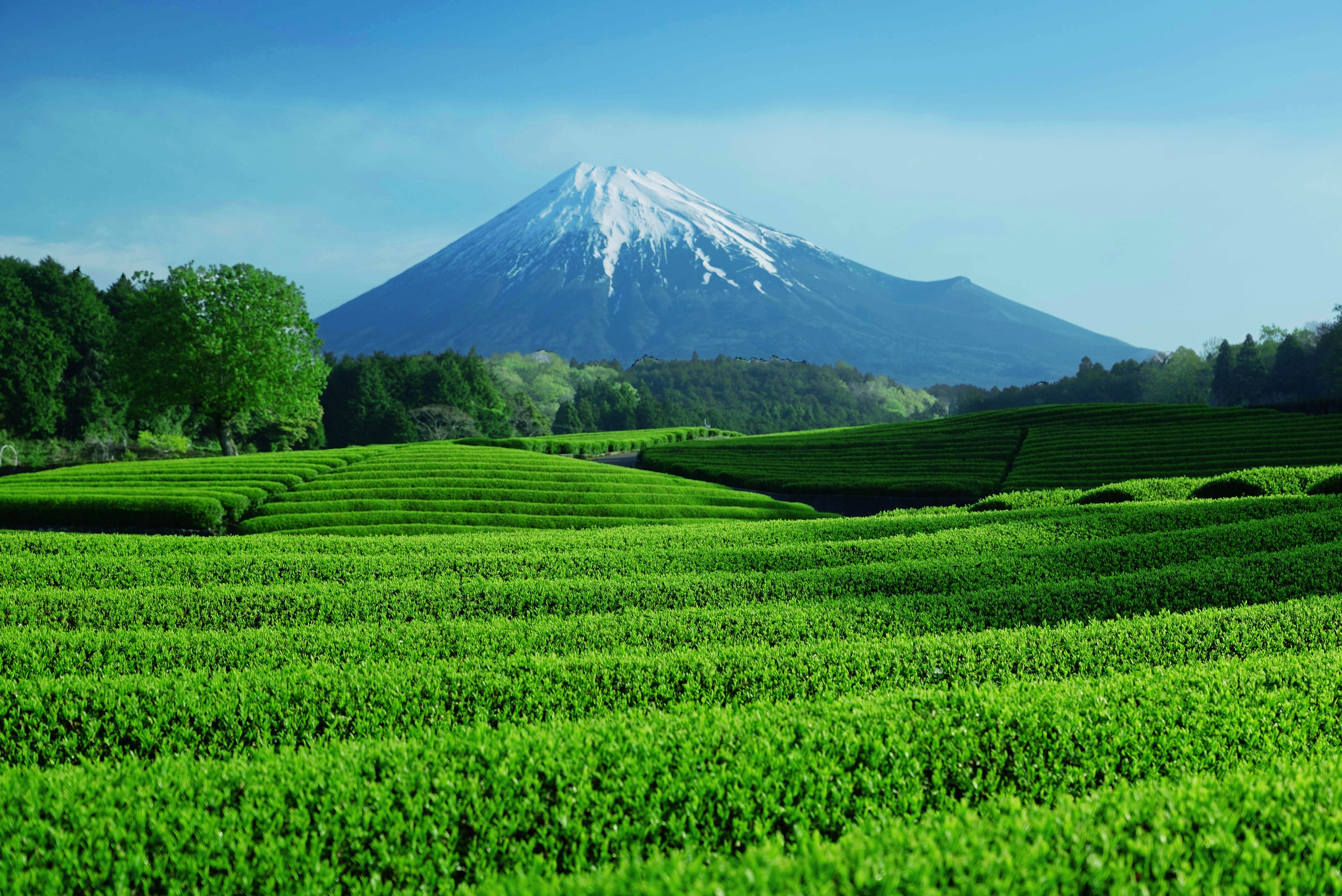
Tea drinking in China is traditionally traced back to the mythical emperor Shennong around 2700 B.C., who is said to have discovered tea’s medicinal value. Written references appear as early as the Western Han dynasty, notably in The Divine Farmer’s Herb-Root Classic. In 59 B.C., Wang Bao documented tea buying and preparation, indicating its role as a traded luxury among the elite. During the Tang dynasty, Lu Yu’s Cha Jing (The Classic of Tea) became the first comprehensive work on tea and its origins in southern China.
Tea's Transmission to Japan andIts Entry into Japanese Culture
During the Nara and Heian periods, numerous Japanese envoys traveled to Tang-dynasty China, often accompanied by leading Buddhist monks such as Saicho, Kukai and Eichu. These monks brought tea seeds back to Japan, which are considered the origin of Japanese tea culture. In the early Heian period, Emperor Saga actively encouraged the drinking and cultivation of tea. The earliest literary reference to tea in Japan appears in 815 in the Nihon Koki, which records that Eichu served tea to the emperor at Bonshakuji Temple. At this time, tea was extremely valuable and mainly consumed by members of the imperial court and Buddhist clergy. In 1191, during the early Kamakura period, the Zen monk Eisai introduced a new variety of tea seeds from Song-dynasty China to Kyoto. In 1214, he authored Kissa Yojoki (How to Stay Healthy by Drinking Tea), the first Japanese book dedicated to tea, which he later presented to the shogun Minamoto no Sanetomo to promote tea’s medicinal benefits.
Tea Growing
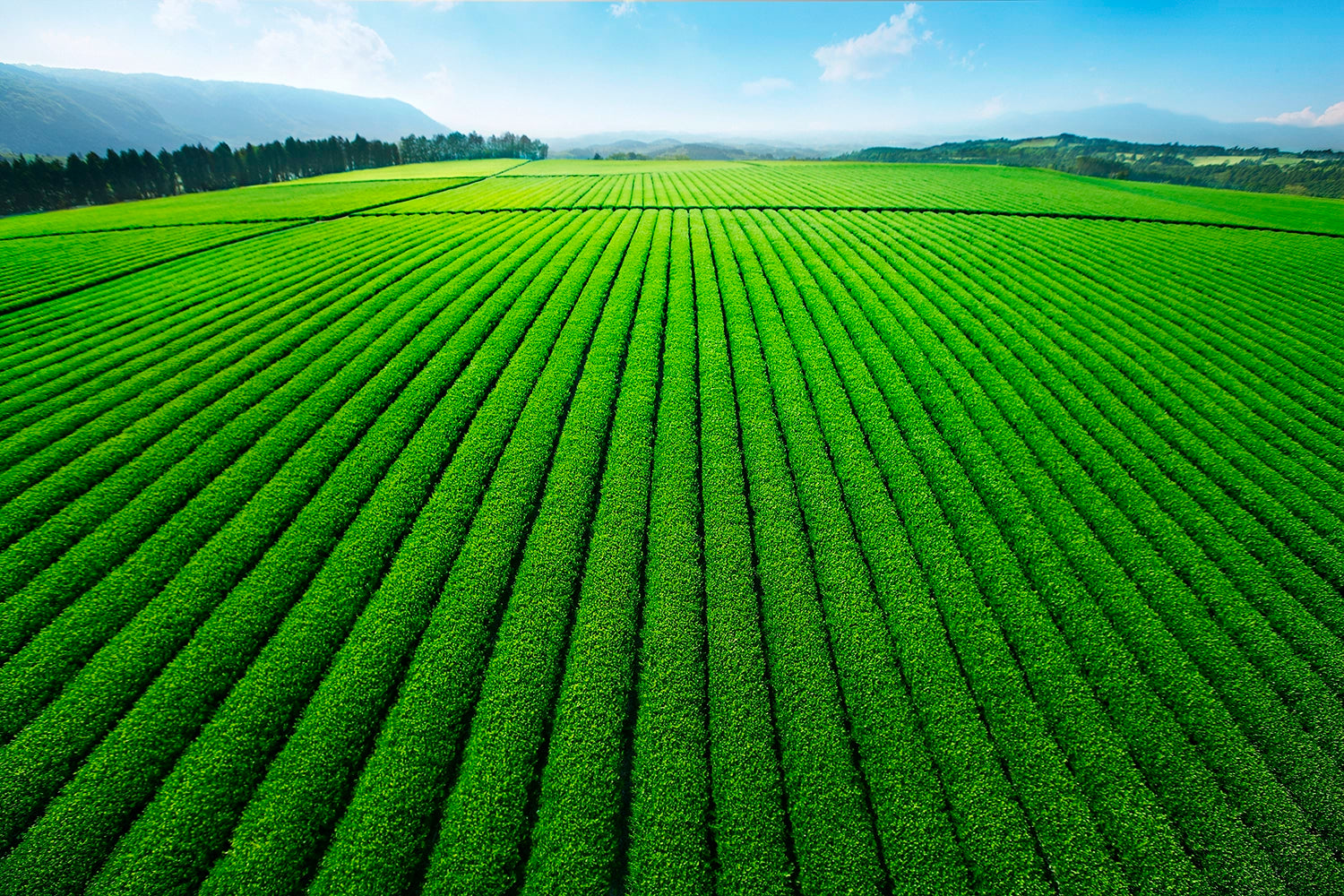
Although there is a theory that Sancha (mountain tea) originally grew wild in remote areas of Japan's mountains and that this tea was consumed, the first tea grown in Japan is said to have been planted in Seburisan, Saga Prefecture, from seeds brought from China by Eisai. Later, Eisai gave tea seeds to Myoe Shonin in Kyoto. These seeds are said to have become the basis for Uji tea after being sowed at Toganoo in Kyoto. Tea growing soon spread throughout Japan .At this time, tea was steamed and dried without being pressed (Tencha), and became a part of the social intercourse of Samurai culture.
In writings of the Nanboku-cho Period, the tea-growing regions of the time are recorded. In several parts of Kyoto as well as in Yamato, Iga, Ise, Suruga and Musashi, tea came to be grown at temples and on temple estates. In the 14th century, tea growing began in Okukuji, Ibaraki, which is said to be at the
Tea in Modern Japan
The lifestyles of modern Japanese people have changed substantially. To alleviate feelings of "dissatisfaction caused by having only green tea" in ordinary households, oolong tea started to gain significant attention as a tea suitable to go with oily foods and as a tea that could be consumed in large quantities. In 1979, ITO EN launched a product by adapting Chinese oolong tea to Japanese tastes. This triggered a boom in oolong tea in Japan. Subsequently, to meet the needs of a fast-paced modern lifestyle, ITO EN developed a ready-to-drink tea beverage product, something that had been previously unthinkable. In 1981, the Company launched its canned oolong tea, and this was followed by canned green tea and canned black tea in 1985.
Later, ITO EN developed products in PET plastic bottles and cardboard cartons, which became top-selling lines. Nowadays, the entire beverage industry has followed ITO EN's lead, and a huge tea beverage market has taken shape. In every era, there is a need for teas to suit the times and ways of drinking beverages that match lifestyles.
Tea is now used in a myriad of ways, which are not limited to just beverages. Applications include catechin dyeing technology, Chahaigo board and supplement products, which utilize the active components of tea.
Reform of Tea Processing and Distribution
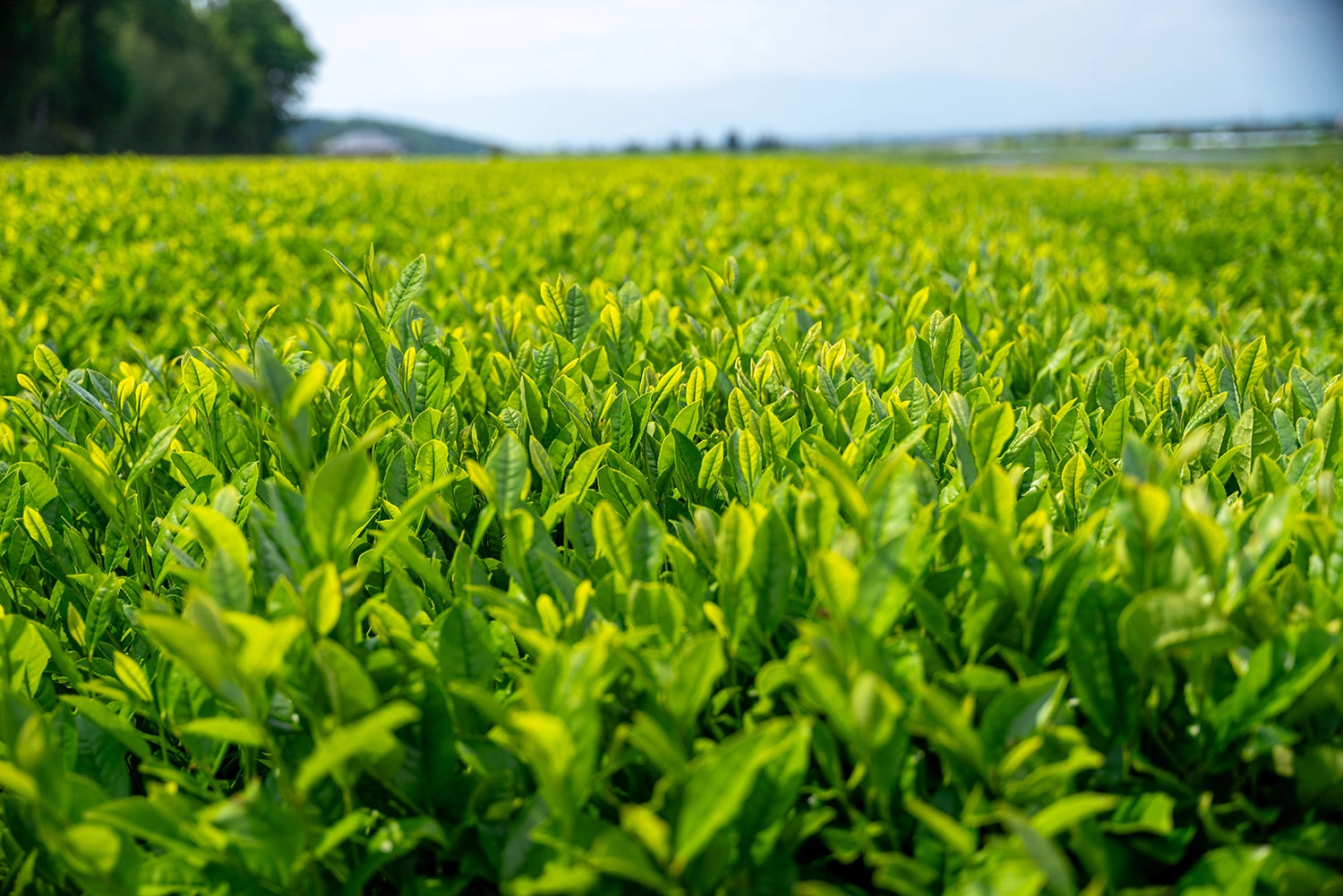
In each region there were a wide variety of tea processing methods. In Kyoto, where the Tencha method of steaming had been prevalent, Soen Nagatani of Ujitawarakyo developed a high-quality Sencha in 1738, which is said to be the forebear of modern Sencha. In 1835, Kahei Yamamoto invented the method for making Gyokuro, which became the "Uji method," and this sophisticated technique spread throughout Japan.
In the late Edo Period, distribution methods developed considerably. Tea was traded by permission of the government in tea merchant areas of Edo. From there, tea was distributed to other parts of Edo and Japan.
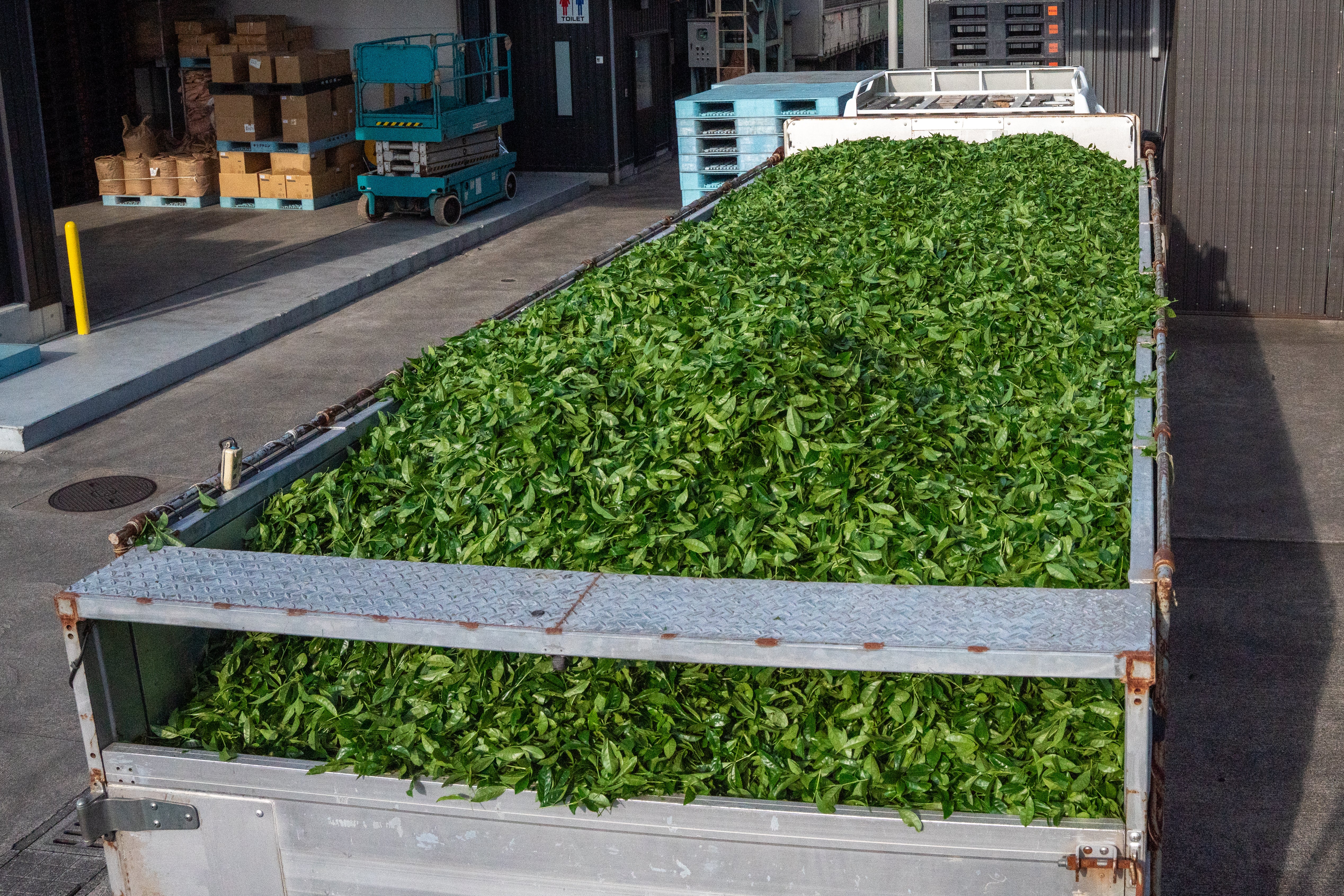
Tea Export
La prima esportazione di tè dal Giappone avvenne nel 1610 da parte della Compagnia olandese delle Indie Orientali di Hirado, Nagasaki. La spedizione di tè giapponese (tè tostato in pentola, come Ureshino) veniva inviata in Europa.
Nel 1858, lo shogunato Tokugawa firmò a Edo il Trattato di amicizia e commercio tra gli Stati Uniti e il Giappone, seguito rapidamente da trattati simili con Paesi Bassi, Russia, Gran Bretagna e Francia. Nel 1859, quando i porti di Nagasaki, Yokohama e Hakodate furono aperti al commercio estero, il tè divenne uno dei principali prodotti di esportazione del Giappone, insieme al filo di seta grezza. Quell'anno furono esportate 181 tonnellate di tè. Kei Oura, una commerciante di Nagasaki, esportò sei tonnellate di tè in Gran Bretagna nel 1859.
Dopo la Restaurazione Meiji del 1868, l'esportazione di tè si espanse grazie al sostegno del governo, concentrandosi in particolare sugli Stati Uniti. Parallelamente a ciò si diffuse in tutto il Giappone il metodo di lavorazione del tè a vapore basato sul popolare "metodo Uji" di produzione del tè.
Creazione della moderna industria del tè
Fino alla fine del periodo Edo, il tè veniva coltivato nelle regioni montuose del Giappone, tuttavia, a partire dall'inizio del periodo Meiji, grazie alle opportunità offerte da varie misure istituite dal nuovo governo, compreso il suo programma per assistere la reintegrazione economica degli ex Samurai, vaste aree di terreno pianeggiante, come Makinohara Upland, furono trasformate in grandi gruppi di piantagioni di tè. Tuttavia, le ex famiglie Samurai che avevano aperto le piantagioni di tè si dispersero gradualmente e le piantagioni furono rilevate dagli agricoltori. Le ragioni per cui l'ex Samurai se ne andò includevano un calo significativo dei prezzi all'esportazione del tè e gli ingenti costi sostenuti per creare le piantagioni di tè.
La formazione di grandi gruppi di piantagioni di tè non si limitò alla creazione delle piantagioni stesse, ma comprese anche lo sviluppo di sistemi di distribuzione, commercianti di tè, commercianti intermediari e grossisti di tè, nonché l'invenzione di vari tipi di macchinari. La meccanizzazione avanzò rapidamente durante questo periodo, contribuendo al risparmio di manodopera e ad una qualità più affidabile.
Negli ultimi anni, grazie a tecnologie come i sensori e il controllo computerizzato, anche i principianti sono in grado di coltivare il tè. Al giorno d'oggi, il rotolamento a mano è principalmente conservato come artefatto culturale e mostrato nelle attrazioni turistiche.